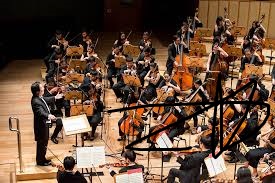
The fusion of skill, talent, and emotions makes orchestras different from anything else in music. Thank to their hours of painstaking practice and exciting live shows, orchestras add a lot of value to our culture. By giving young people and audiences lessons, such organizations promote creativity and critical thinking that applies in many areas. Also, orchestras help people from different backgrounds feel united by the familiar language of music.
Being part of an audience or being on stage, the orchestra represents tradition and the connection betweenJ musicians. It reflects one of the most important achievements of humanity, steadily growing while keeping traditional values. As music and stories are important to people, orchestras will continue to live, energize listeners, and be treasured.
FAQs
What is the role of an orchestra?
An orchestra consists of many musicians who come together to play music. They work across the different sections made up of strings, woodwinds, brass instruments, and percussion. They build harmonious and enjoyable tunes when they mix different music sounds. Orchestra musicians play music from great works of the past to new pieces written for movies.
How big is an average orchestra in terms of the number of musicians?
How large an orchestra is depends on its music and the style it plays. There are generally between 20 and 40 musicians in a chamber orchestra, which is the reason it works well in smaller and more private venues. In the case of a full symphony orchestra, the number of musicians may go as high as 100, with a variety of instruments. The extra space helps them do more involved and thrilling music that demands a lot of power and a large range of sounds.
Can orchestras accept children as part of their groups?
Absolutely. A lot of orchestras create special programs aimed at young people and teenagers. In youth orchestras, young musicians learn to work as a group, gain discipline, and improve their music abilities. Taking part in such groups lets children feel more confident, learn how to read music, and enjoy performing live music in front of an encouraging audience.
Which musical instrument is most important for an orchestra?
All the instruments in an orchestra are significant because the music depends on all of them. Often, the violins hold the main melody or central theme in lots of songs. The cello, flute, and trumpet give the music special colors and deep emotions. What makes an orchestra special is how all the instruments fit together and aid each other.
Are orchestras limited to playing classical tunes?
They do more than just play classical music, as orchestras also play other styles. They make use of film soundtracks, which give movies more emotion and drama. Video game scores are becoming more popular, especially with younger people. Besides classic musical works, orchestras have grown to perform pop, jazz, and contemporary pieces by teaming up with well-known musicians. Because there is so much diversity in this genre, orchestral music is still meaningful and fresh today.